
BRF-ML is a voluntary, non-profit, charitable and educational Trust with its office in Thiruvananthapuram. It was registered as a research institution in 1990 by academicians and professionals in Kerala, with the guidance of Swami Bodhananda.
Vision
To develop an Indian Management Model integrating Indian wisdom traditions with modern management principles.
Mission
To propagate the Indian Management Model among Indian business leaders; to encourage critical and creative debate and writing towards a sound Indian management theory and practice; and to help make India a major player in the global market economy, alongside China, the European Union and the United States.
It is Gurudev's vision and inspiring spiritual guidance that gave rise to the idea of BRF-ML in 1988 — to foster human potential development, and to develop leadership through dialogue, in management. It was formally registered as a Trust in 1990.
In 1988 Swami Bodhananda identified leadership as the major challenge in understanding Indian management, conceptually and in practice — and the following decade saw a growing number of institutions nurturing that idea. Today BRF-ML offers an almost exhaustive framework for understanding leadership in the context of Indian management. R Narayanan is the Chairman, P N Subramanian the CEO and R Rajendran the Treasurer.

Research & publication
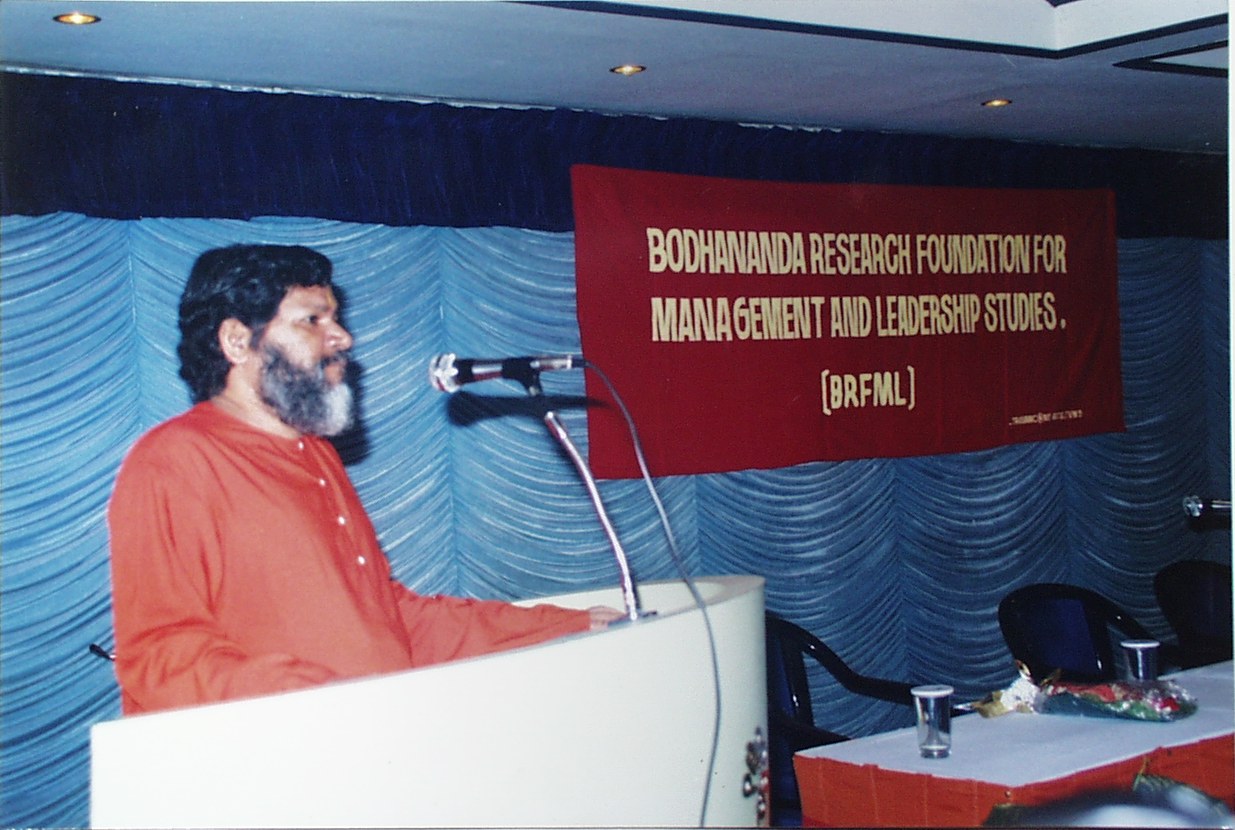
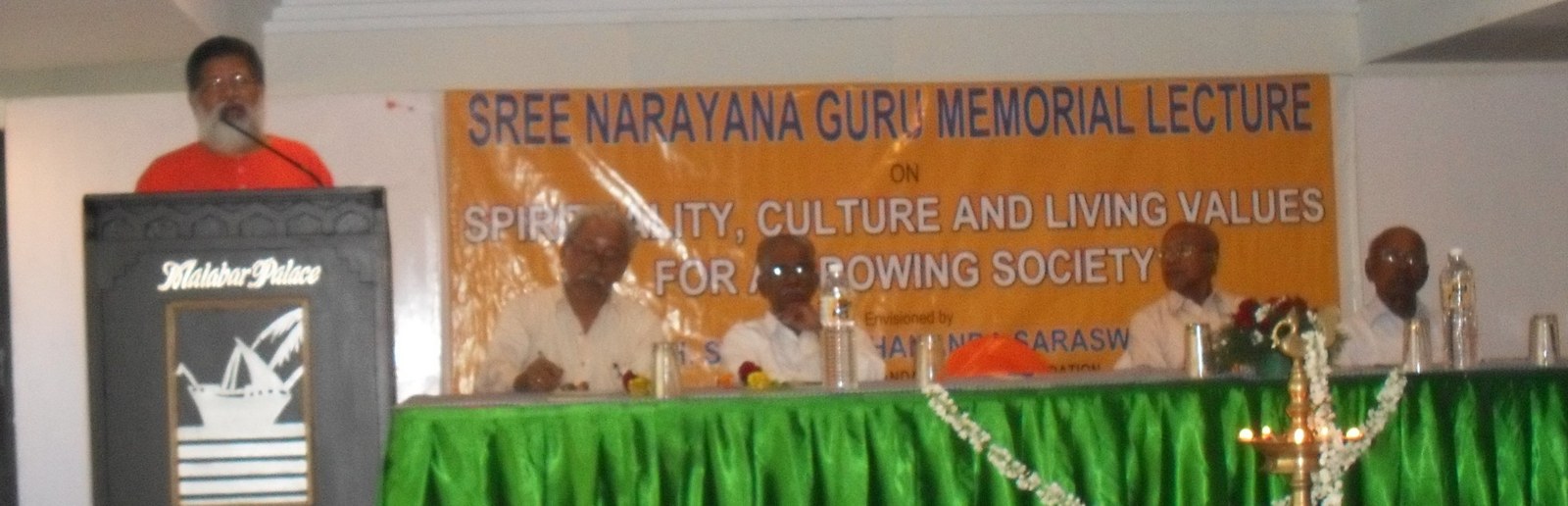
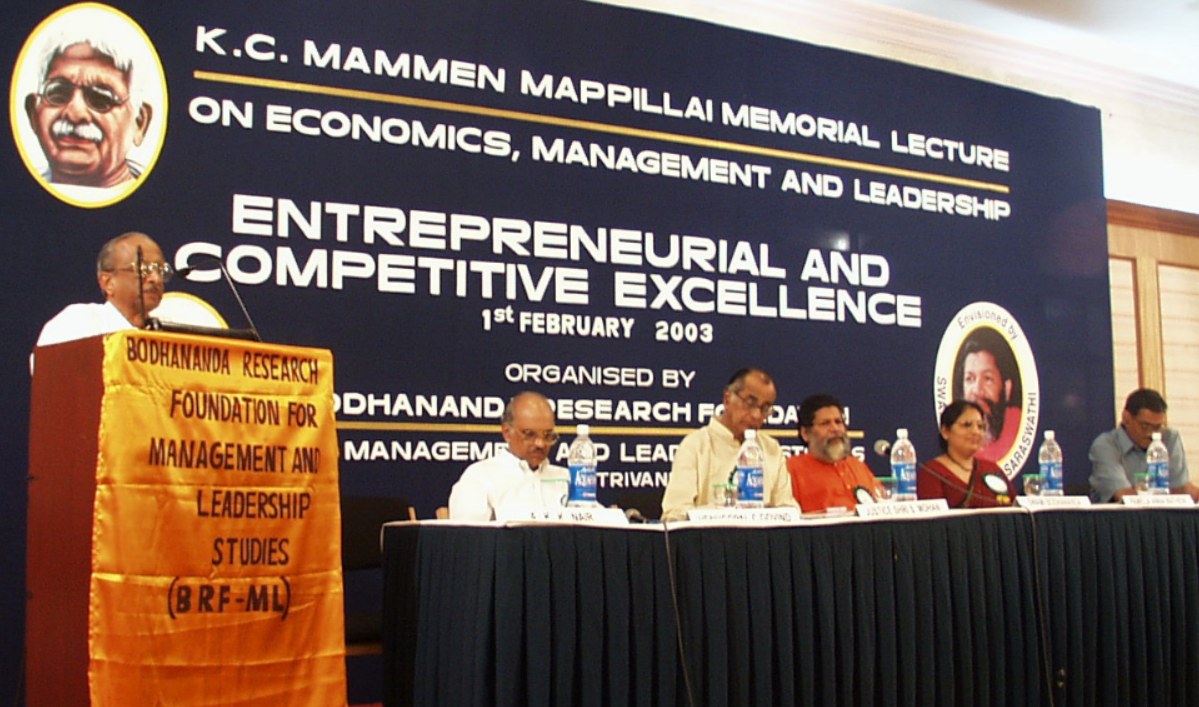
BRF-ML has pioneered research and public programmes on value-based management, governance and education. It has organised memorial lectures in the names of V K Krishna Menon, Mammen Mappillai and Sri Narayana Guru, and lectures and workshops at IIMs, IAS and IA&AS training centres, management associations and leading public and private organisations — among them Indian Oil, SAIL Ranchi, IIFM New Delhi, IIM Ahmedabad, IIM Kozhikode, the AMA, BMA and AIMA, BEL, ITI and SBI, in India and North America.
Its research agenda centres on five texts — Manusmriti, Panchatantra, Arthashastra, Mahabharata and Ramayana — as the five pillars of Indian management literature, drawing out the concepts behind leadership and conflict resolution. A team is writing sourcebooks on leadership in a story-telling style; recent conferences on Mahabharata and Management were held in Delhi, Bangalore and Trivandrum. The most recent course was on classical Indian reasoning through the Tarkasamgraha.
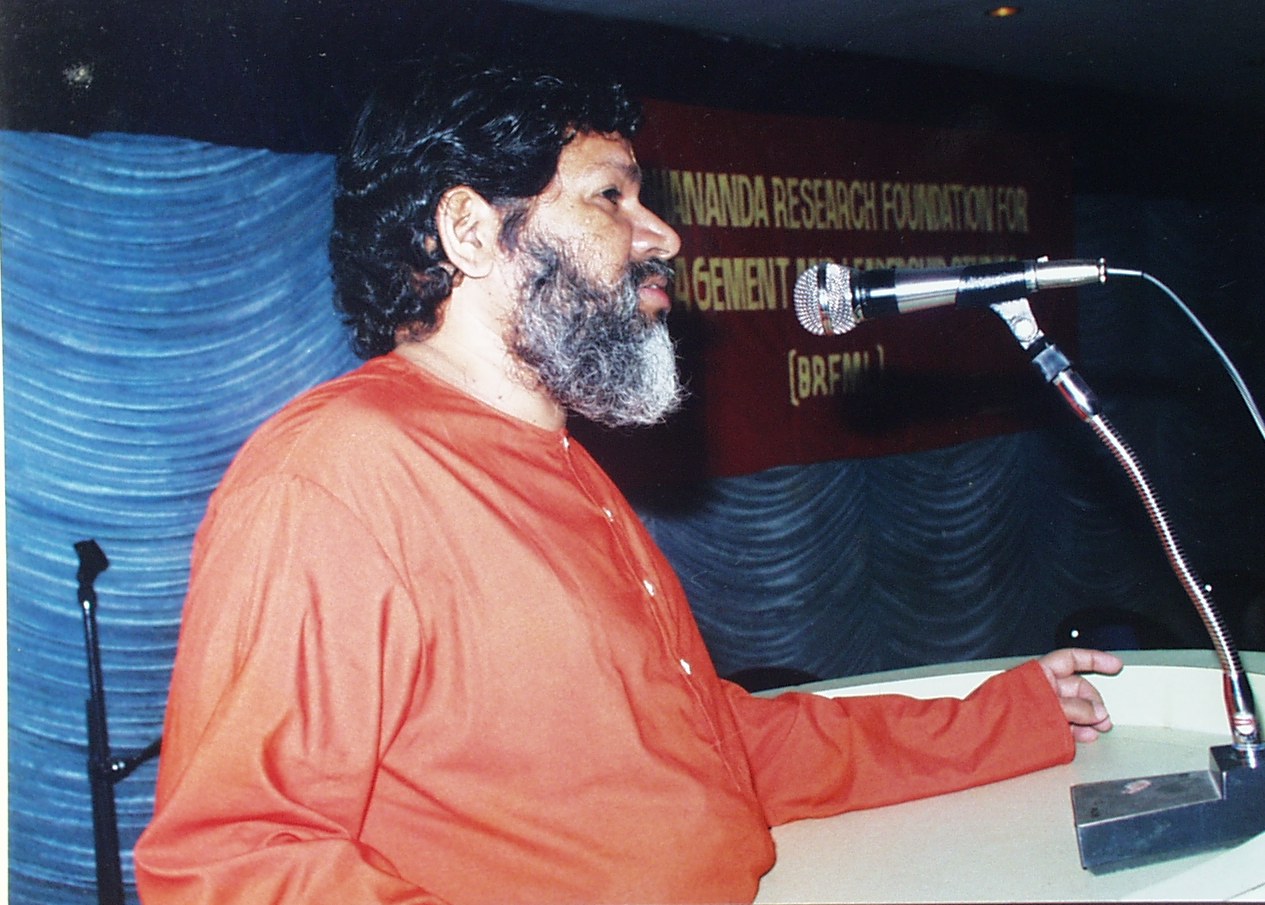
Its speakers come from science and technology, management and economics, and spirituality and culture. Recent public programmes have included talks by Swami Bodhananda, seminars, and dialogues among leaders, managers, trade unions, teachers, farmers and BRF-ML — at venues that also include ER&DC, the Institute of Management in Government, the National Institute of Personnel Management and Hindustan Latex in Thiruvananthapuram, and ESCORTS in Bangalore. Its publications include research papers, monographs, seminar proceedings and books by Swami Bodhananda; the leadership sourcebooks are being written by a team at SCLV, Bangalore.


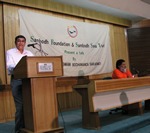
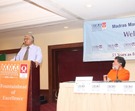
Towards an Indian Style of Management, 2008
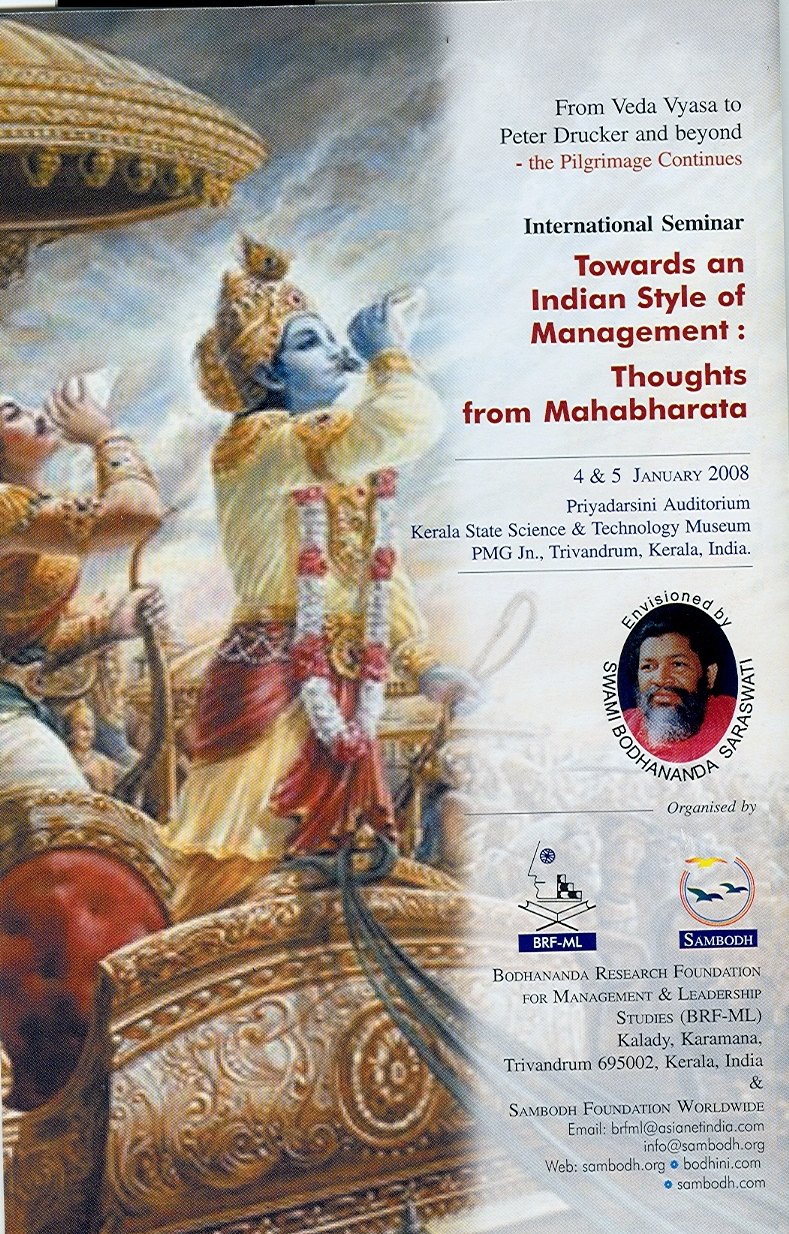
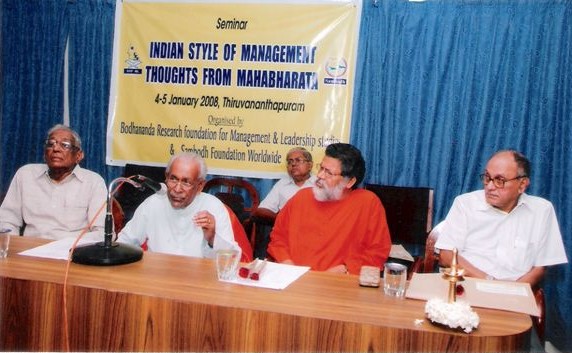
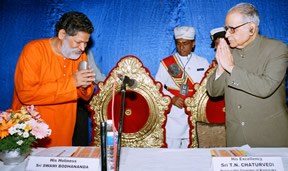
“From Veda Vyasa to Peter Drucker and beyond — the pilgrimage continues.” On 4 and 5 January 2008, BRF-ML and Sambodh Foundation Worldwide held the seminar Towards an Indian Style of Management: Thoughts from Mahabharata at the Priyadarsini Auditorium of the Kerala State Science & Technology Museum, Thiruvananthapuram. Envisioned by Swami Bodhananda, it was inaugurated by HH Marthanda Varma, the Maharaja of Travancore.
Women's Forum
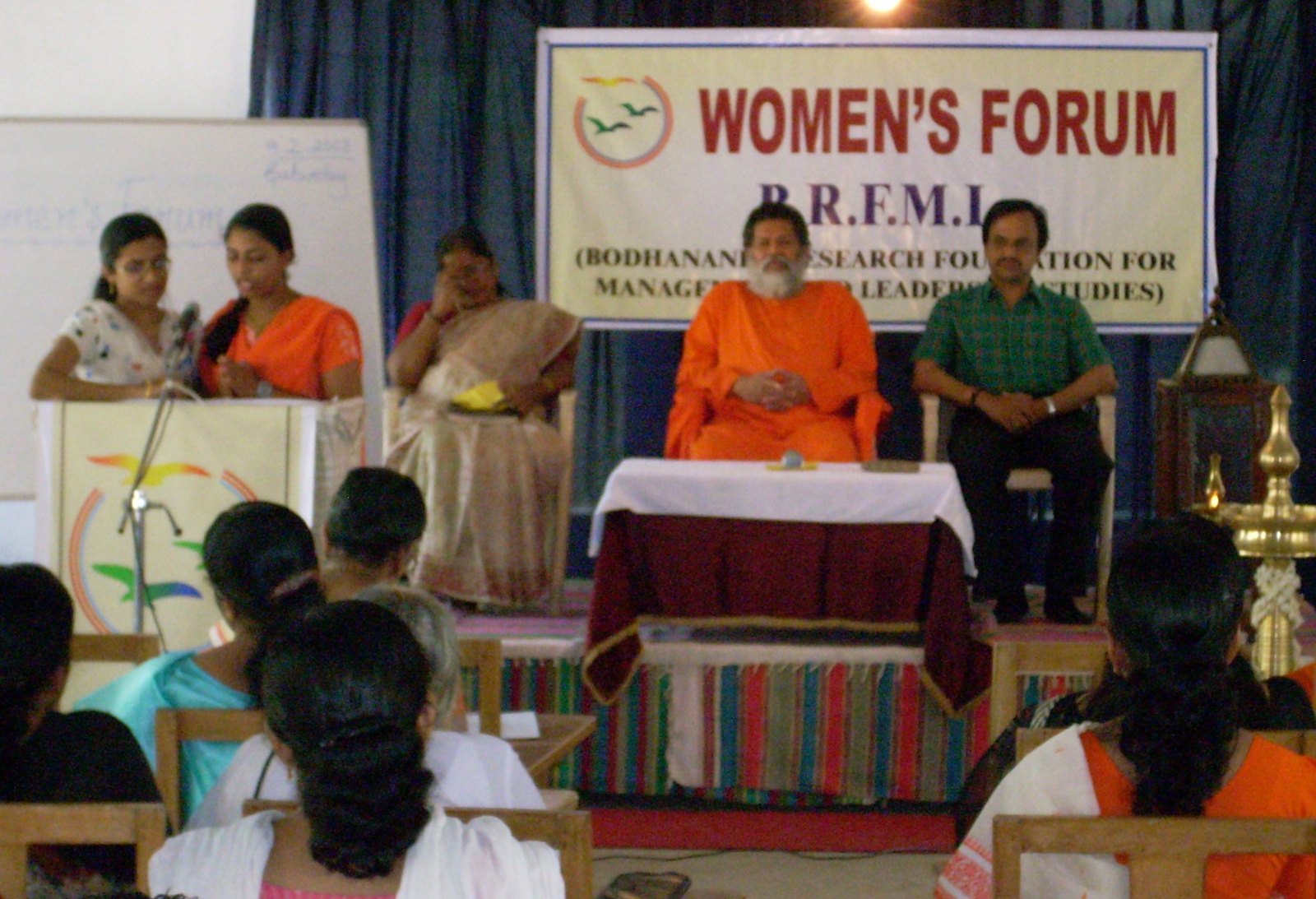
The study circle
In its early years BRF-ML held a monthly study circle — more than fifty meetings — where members researched and presented management principles from the Bhagavad Gita, the Quran, the Bible, the Arthashastra, the Thirukkural, the Yoga Sastra, the Raghuvamsa, Sumati Satakam, Kiratarjuniya, the Kamba and Valmiki Ramayanas, the Silappatikaram, the works of Bhartrhari, the Chanakya Sutras and Sun Tzu. Alongside, it held seminars on values for corporate leadership and holistic management, workshops on a new work culture for Kerala and on entrepreneurial awareness for Kerala's youth, and trained managers in stress management through meditation, soft skills and personality re-engineering. Its early plans included a management journal, books based on its research and a training centre.
Objectives
- To develop management principles integrating economic and spiritual values, for greater productivity and integrity of the individual.
- To develop management theories and practices from Indian philosophical and mythological literature — the Mahabharata, Ramayana, Bhagavad Gita, Panchatantra, Arthashastra and others.
- To draw values from the composite cultural, spiritual and philosophical tradition of India, and of Kerala in particular, as well as from other cultures.
- To integrate humanistic and ecological values with scientific and technological excellence in a practical, holistic value system.
- To hold seminars and conferences and publish volumes based on the study of the Indian wisdom tradition, creating a knowledge base for national and global dialogue.
Yuvabodhini Talent Search

A national competition for young people. Flyer and how to participate · BRF-ML on Facebook
Watch: Leadership Dialogues
Leadership DialoguesPlaylist on the Sambodh India YouTube channelRead more: Mahabharata and Indian Management · Towards an Indian Management Style · The Yoga of Management